Email marketing isn’t dead—but the spray-and-pray approach certainly is. Sending identical messages to your entire list and hoping for the best no longer cuts it when consumers expect personalized experiences at every touchpoint. The average person receives over 100 emails daily, and generic blasts get deleted, ignored, or worse—marked as spam. AI is fundamentally changing how savvy marketers approach email, enabling personalization at a scale previously impossible.
The Death of One-Size-Fits-All Messaging
Traditional email “blasts” operate on a simple premise: craft one message and send it to everyone. Maybe you segment by basic demographics like location or gender, but the content itself remains static. This approach made sense when personalization required manual effort for each recipient, but it ignores a critical reality—your subscribers have wildly different interests, behaviors, purchase histories, and engagement patterns.
Consider a fashion retailer sending a promotional email. The blast method sends everyone the same “30% off everything” message with generic product images. But within that list, some subscribers only buy men’s clothing, others exclusively shop for accessories, some are price-sensitive bargain hunters, while others prioritize premium quality. A single message can’t effectively speak to all these segments simultaneously.
The results speak for themselves. Generic email blasts typically achieve open rates around 15-20% and click-through rates below 3%. Meanwhile, personalized emails deliver 6x higher transaction rates and generate 58% of all email revenue despite representing a smaller portion of total sends.
Practical Applications of AI-Powered Email Personalization
Let’s explore specific ways marketers are leveraging AI to move beyond blast emails:
Product Recommendations
Instead of featuring your best-sellers to everyone, AI analyzes browsing history, past purchases, and similar customer behavior to recommend products each subscriber is most likely to buy. An outdoor gear company might send hiking boots to trail enthusiasts while showing camping equipment to weekend campers—all within the same campaign.
Content Curation
Media companies and content creators use AI to curate newsletter content based on individual reading history. Each subscriber receives articles matching their demonstrated interests, dramatically increasing engagement compared to sending everyone the same top stories.
Abandoned Cart Recovery
AI doesn’t just send generic “you forgot something” emails. It analyzes why the cart was abandoned (price sensitivity, comparison shopping, distraction) and customizes the recovery message accordingly—perhaps offering a discount to price-sensitive shoppers while providing social proof to those needing reassurance.
Re-engagement Campaigns
Rather than sending the same “we miss you” message to all inactive subscribers, AI identifies why each person disengaged and crafts targeted win-back approaches. Someone overwhelmed by email frequency receives different messaging than someone whose interests shifted.
Event-Triggered Personalization
AI identifies significant moments—birthdays, anniversaries, milestone purchases—and automatically sends personalized messages that feel thoughtful rather than automated.
The Visual Personalization Frontier
While personalized text has become increasingly common, visual personalization remains underutilized despite its powerful impact. Generic stock photos and identical product images don’t create the personalized experience that customized copy promises. Imagine sending emails where not just the text, but the images themselves are customized for each recipient. A travel company could show beach destinations to sun-seekers while displaying mountain retreats to adventure travelers. A home decor brand might feature modern minimalist imagery to some subscribers while showing rustic farmhouse aesthetics to others.
Pollo AI makes this level of visual personalization achievable through its image to image AI. With one-click image recreation capabilities, marketers can take a base product photo or campaign image and instantly generate variations tailored to different audience segments—different color schemes, backgrounds, styling, or contexts—without photoshoots or complex editing.
As an all-in-one creative agency, Pollo AI provides access to multiple popular AI image and video generation models, including advanced options like Google’s NanoBanana and other cutting-edge engines. This multi-model approach means you can experiment with different AI capabilities to find which produces the best results for your specific email aesthetic and audience preferences.
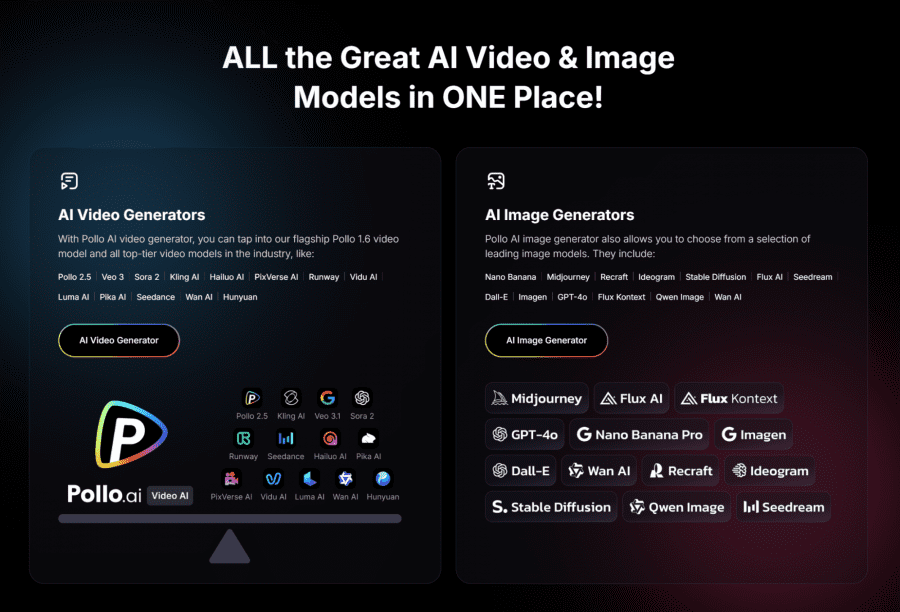
The platform’s mobile app adds flexibility for marketers who need to create or adjust email visuals on tight deadlines, enabling quick iterations and approvals without being tied to a desktop workstation.
For email marketers, this technology solves a persistent challenge: creating enough visual variations to match the level of text personalization AI already enables. Now your email visuals can be as personalized as your subject lines and body copy.
Building an AI-Powered Email Strategy
Start with Data Infrastructure: AI personalization requires clean, integrated data. Ensure your email platform connects with your CRM, website analytics, and purchase history to give AI complete behavioral pictures.
Define Personalization Goals: Identify which personalization elements will drive the most impact. Is it product recommendations? Send time optimization? Visual customization? Start with high-impact areas rather than trying to personalize everything at once.
Implement Progressive Personalization: Begin with basic AI-powered segmentation and gradually add more sophisticated personalization layers as you measure results and refine your approach.
Test and Measure Rigorously: Compare personalized campaigns against control groups using traditional blast methods. Measure not just open and click rates, but conversion rates, revenue per email, and long-term subscriber value.
Maintain Brand Consistency: Personalization shouldn’t mean visual chaos. Establish brand guidelines that AI-generated content must follow, ensuring personalized emails still feel cohesively “you.”
Privacy and Personalization
Hyper-personalization raises important privacy considerations. Consumers increasingly expect personalized experiences but also demand transparency about data usage. Successful AI-powered email programs navigate this tension by:
- Being transparent about data collection and usage
- Providing clear opt-out mechanisms for personalization
- Respecting privacy regulations like GDPR and CCPA
- Using data to provide value, not to manipulate
- Allowing subscribers to control their preferences
When done ethically, personalization feels helpful rather than invasive. The key is using data to serve subscriber interests, not just marketer objectives.
Moving Forward
The blast email method served its purpose in email marketing’s early days, but consumer expectations and technological capabilities have evolved far beyond it. AI doesn’t just make personalization possible at scale—it makes it essential for email programs that want to remain effective.
Start exploring AI-powered personalization tools today. Begin with small tests, measure results, and gradually expand your personalization efforts based on what works for your specific audience. The technology has matured to the point where implementation barriers are lower than ever, while the competitive advantages grow increasingly significant.