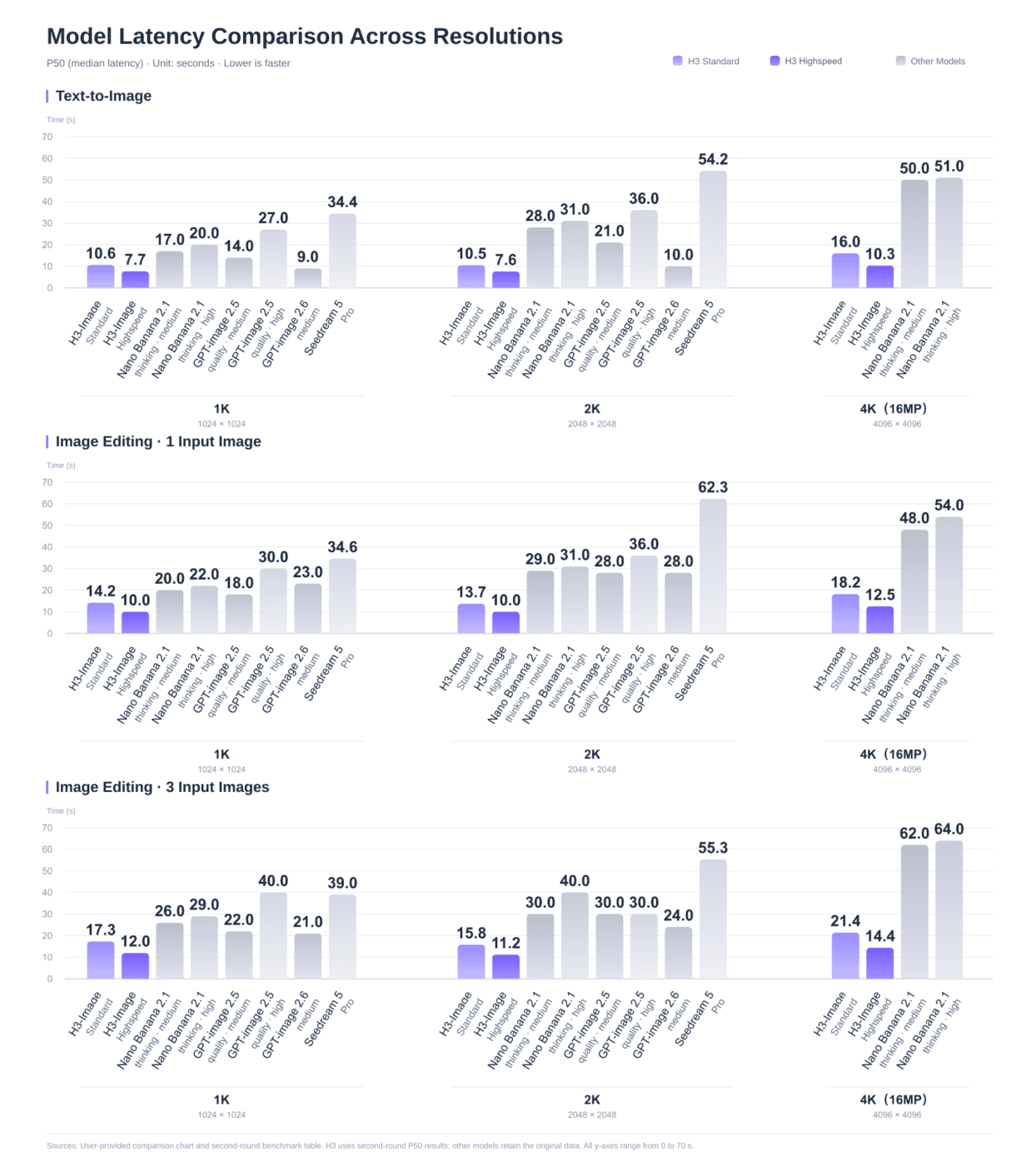
MiniMax has released MiniMax H3-Image, an open-weight model for image generation and editing. The same checkpoint creates images from text and edits existing ones. For editing, it takes up to 16 reference images. It outputs images of about 16 megapixels (4096×4096, or 6272×2688 for 21:9) without a separate upscaler. Moreover, it needs only 6 sampling steps. MiniMax’s median API latency chart shows a 4K text-to-image request taking 16 seconds in Standard mode and 10.3 s in Highspeed mode. By contrast, Nano Banana 2.1 needs 50-51 s at the same resolution. One 4K image costs $0.069 through the API, and half that during launch week.
MiniMax released the weights of the 33.1-billion-parameter diffusion transformer, the variational autoencoder (VAE) and the prompt expander. It also published instructions for SGLang, vLLM-Omni, diffusers and ComfyUI. However, there is no technical report, no quality metrics and no training datasets. In addition, the license does not apply in the EU, the UK, South Korea or the US. The model weights and the prompt expander are on Hugging Face, and the code and examples are on GitHub. You can try the model in the demo or through the API.
Inside MiniMax H3-Image
MiniMax built H3-Image on H3, the company’s video model that came out this summer and generates clips with sound. MiniMax removed the audio branch and trained the rest on images. The text encoder is Qwen3-VL from H3, unchanged. However, the transformer reads the hidden states of its 50th layer rather than the last one.
A VAE with a convolutional encoder and a 24-layer 2D ViT decoder compresses the image. It shrinks each side by 16 times and keeps 24 latent channels. Then the model cuts the latents into 2×2 patches, so one token covers a 32×32-pixel square. As a result, a 4096×4096 image becomes 16,384 tokens. A dense single-stream diffusion transformer (DiT) with 33.1 billion parameters generates the latents. It has 50 layers, a hidden size of 5376, 56 attention heads and 3D MM-RoPE positional encoding. Tokens of the text and of all reference images form one sequence. From it, the transformer predicts the latent of the final image. That is why text-to-image generation and editing work in one model without separate adapters.
MiniMax describes post-training only in general terms: the changes covered data, reinforcement learning (RL) and reducing the number of steps. MiniMax distilled the model to 6 steps (6 NFE) without classifier-free guidance. You cannot change the step count or the guidance scale, and the model does not support negative prompts.
Speed: 4K in 10-16 seconds
In its blog, MiniMax promises a 4K image in under 10 seconds and up to 5 times the speed of popular alternatives. However, the median (P50) API latency chart shows more modest numbers. A 4K image from text takes 16.0 s in Standard mode and 10.3 s in Highspeed. With one reference image, it takes 18.2 and 12.5 s, and with three, 21.4 and 14.4 s. The only competitor on the chart at 4K is Nano Banana 2.1, which needs 48-64 s.
At lower resolutions, the advantage is less clear. At 1K, the Standard mode of MiniMax H3-Image (10.6 s) is slower than GPT-image 2.6 in medium mode (9.0 s). Only Highspeed (7.7 s) beats it. There is also a caveat in the chart’s footnote. MiniMax measured H3-Image again in a second round of tests, while the other models kept their figures from the original comparison.
What the model can do
MiniMax designed the model for large images. It recommends sizes from 4 MP (2048×2048) to 20 MP, and the best results come at about 16 MP, that is, 4096×4096. By default, the model still generates small images at no less than 2048×2048. The model truncates prompts to 4096 tokens and expects a detailed description in English. You can expand a short request with the H3-Image-PE prompt expander. It is Qwen3.8-27B in NVFP4 format and weighs 17.9 GB. It rewrites a short request into a detailed description and picks the aspect ratio itself.
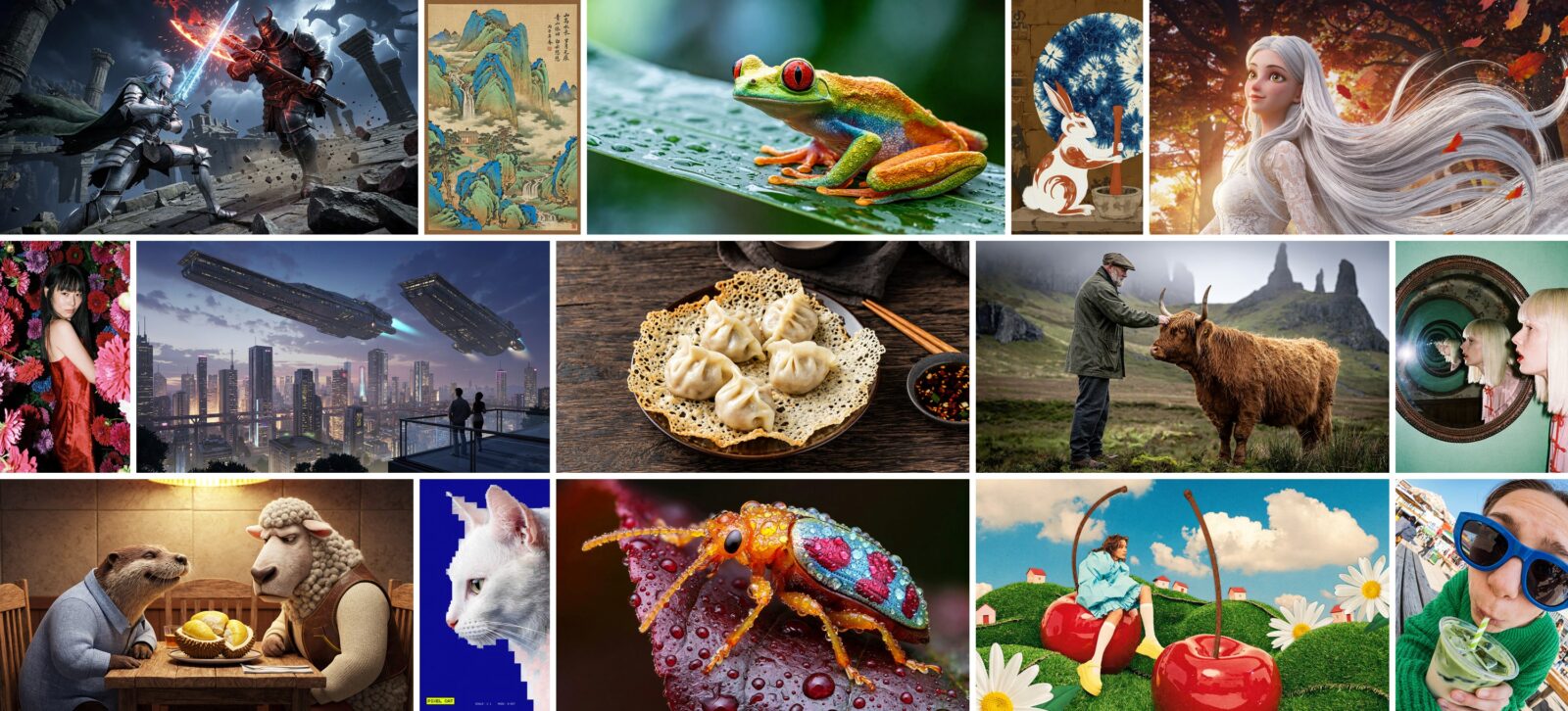
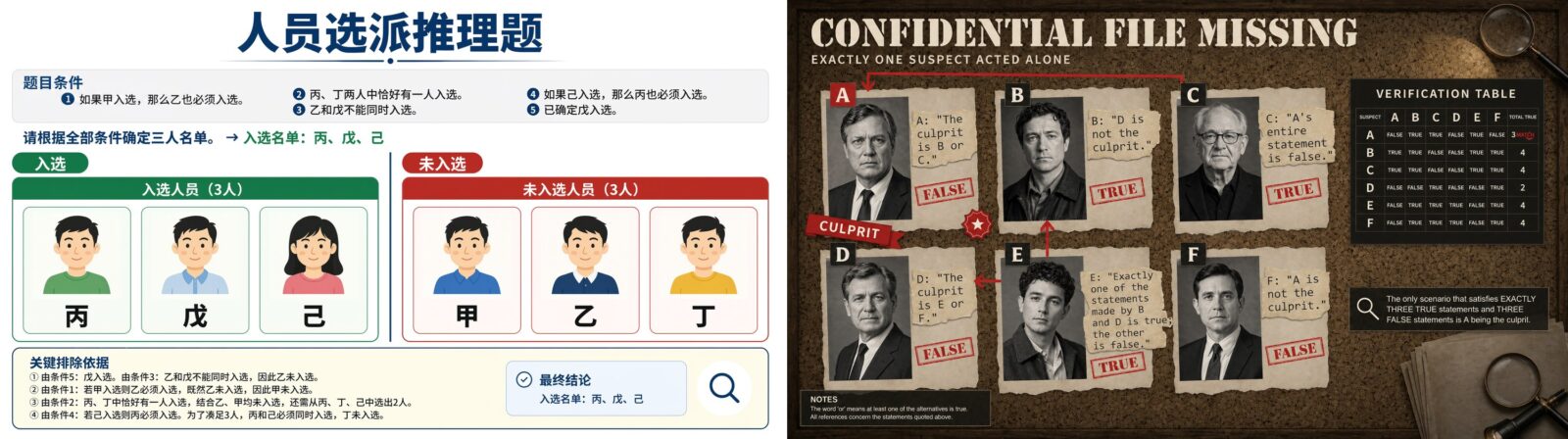
MiniMax’s main claim is the best prompt adherence among open models. For example, the README shows boards with logic puzzles in Chinese and English. There, the model has to both render the text neatly and solve the puzzle correctly.
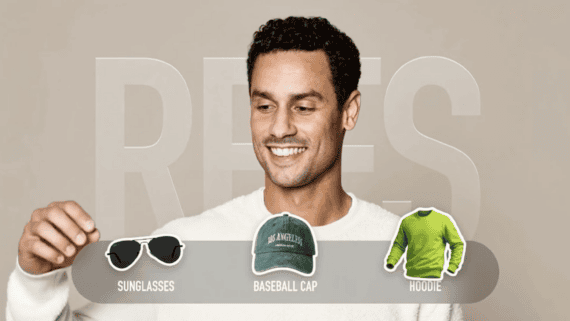
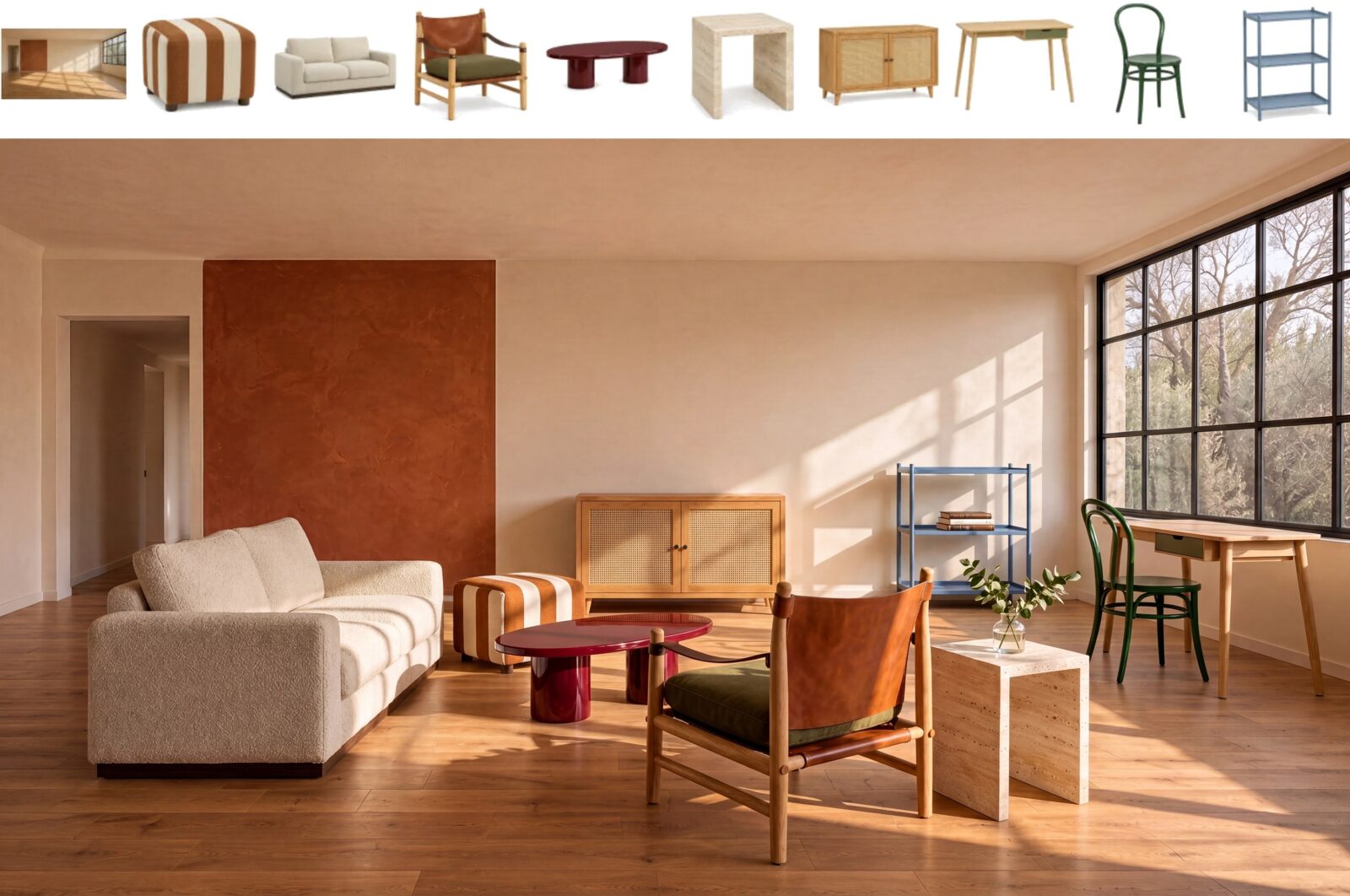
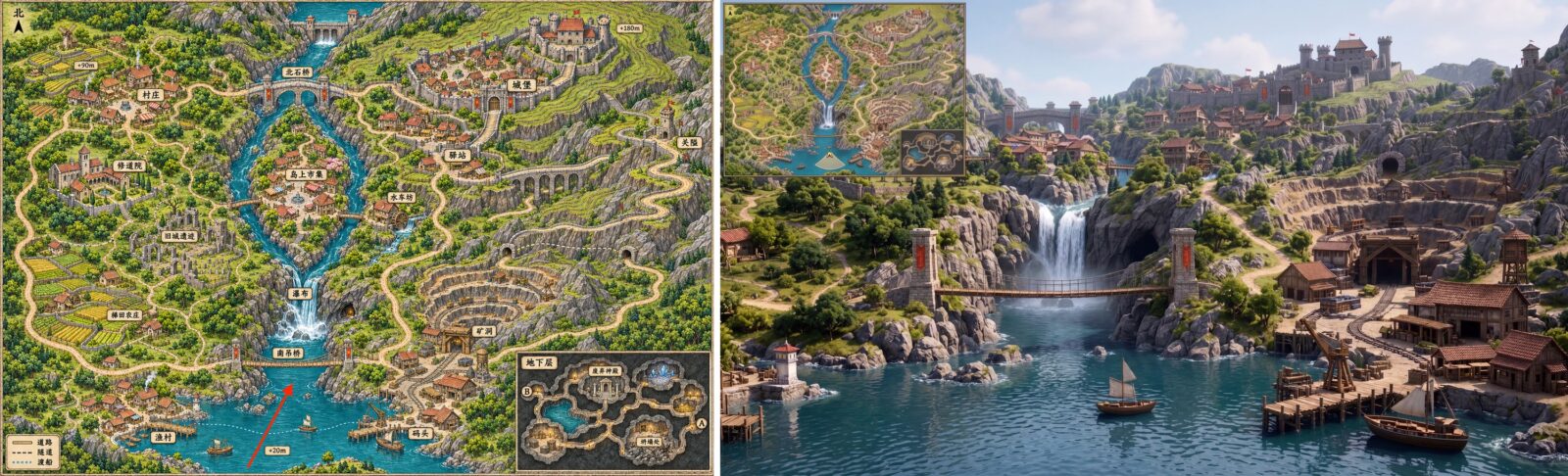
In editing, the model numbers reference images in upload order, and the prompt refers to them as <Picture 1>, <Picture 2> and so on. The clearest example starts with an empty room and nine pieces of furniture in separate photos. From them, the model builds a furnished living room. In another example, the model takes a hand-drawn game map with an arrow and renders a first-person view from the marked spot.
Pricing and hardware
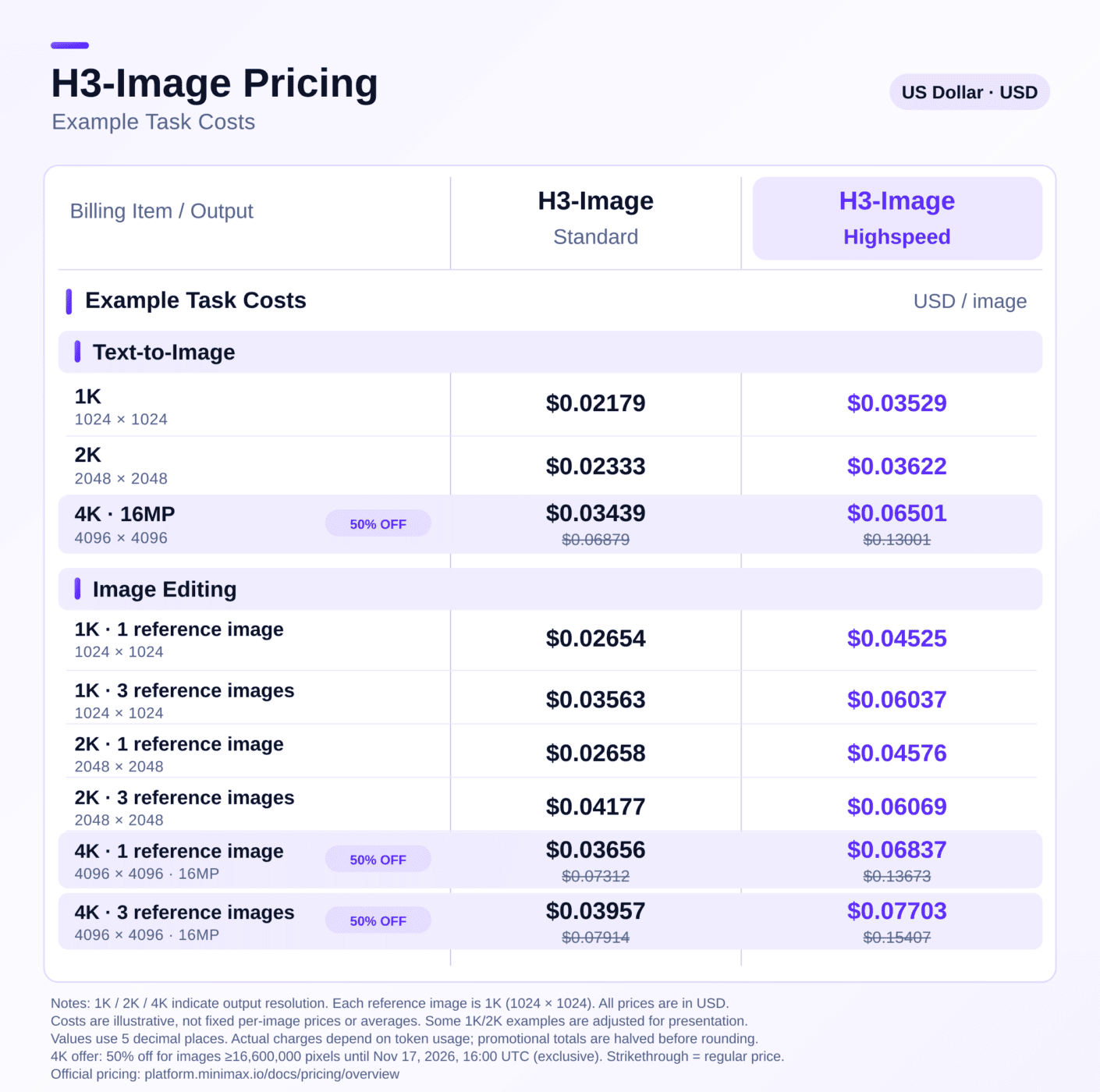
Through the API, text-to-image generation costs $0.022 at 1K, $0.023 at 2K and $0.069 at 4K. Highspeed mode is faster but almost twice as expensive: $0.130 at 4K. Until November 17, 2026, 4K requests are 50% off. According to MiniMax, this is 50-70% of the price of comparable services.
To run the model locally, you need to download the 66.28 GB transformer and the 2.34 GB VAE. In addition, the 66.7 GB text encoder comes from the MiniMax-H3 repository. In SGLang, the model runs on a single GPU. To cut latency, you can also split the sequence across 4 GPUs with sequence parallelism (Ulysses).
First user reviews
Some reviews come from early-access participants, and X labels Mankyu’s post as a paid partnership with MiniMax. Therefore, measurements deserve the most weight.
Running the model locally is possible but slow. AJ got a 4K image in 55.79 s on an RTX 3090 with INT8 weights and a 250 W power limit. His first impression is that the quality beats Qwen-Image-2.1. Pratik Gandhi spent 547 s on a 4K image on a Mac mini M5 Pro with 64 GB of memory. Memory use peaked at 45 GiB, and about 40 s went to encoding the prompt.
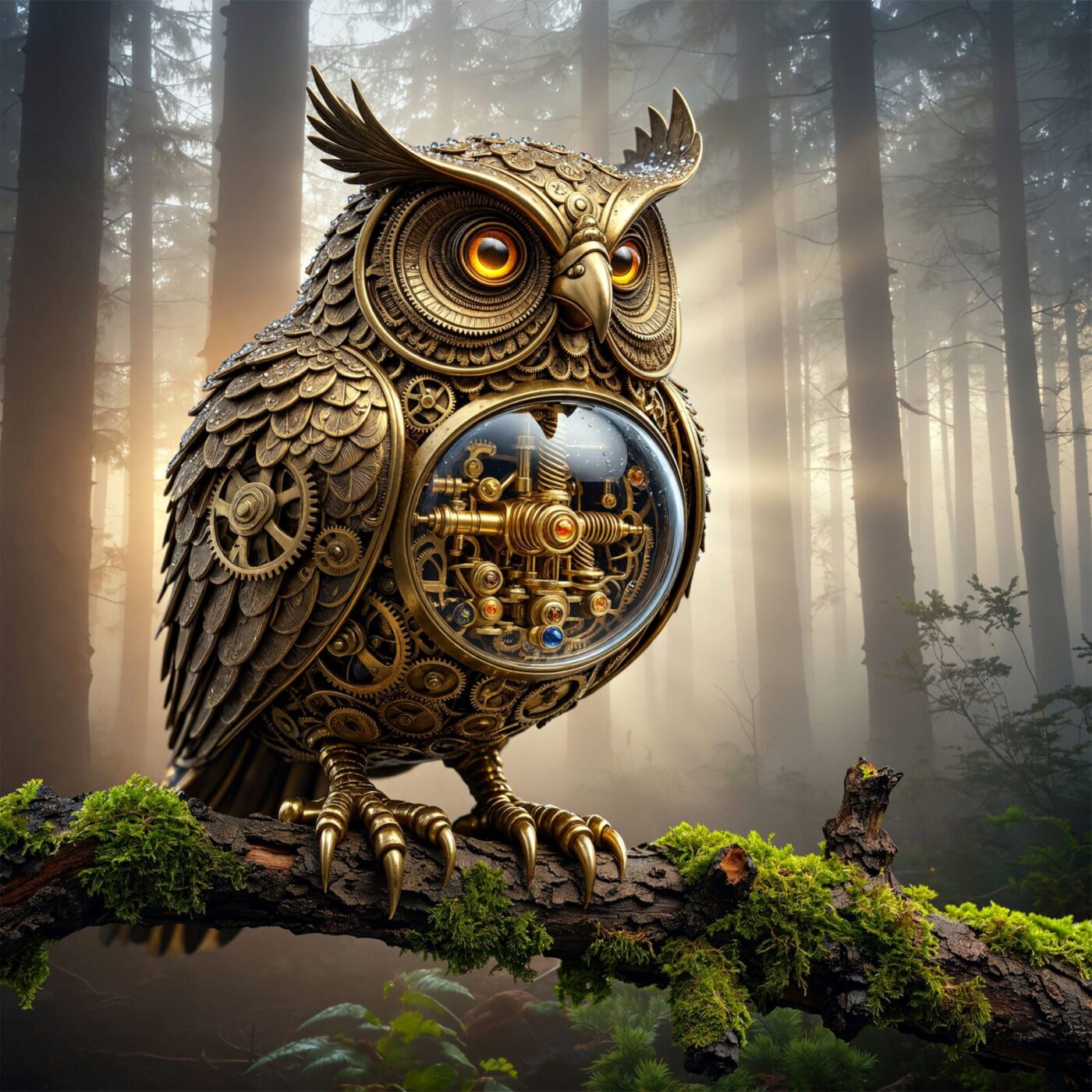
MiniMax H3-Image editing and comparisons
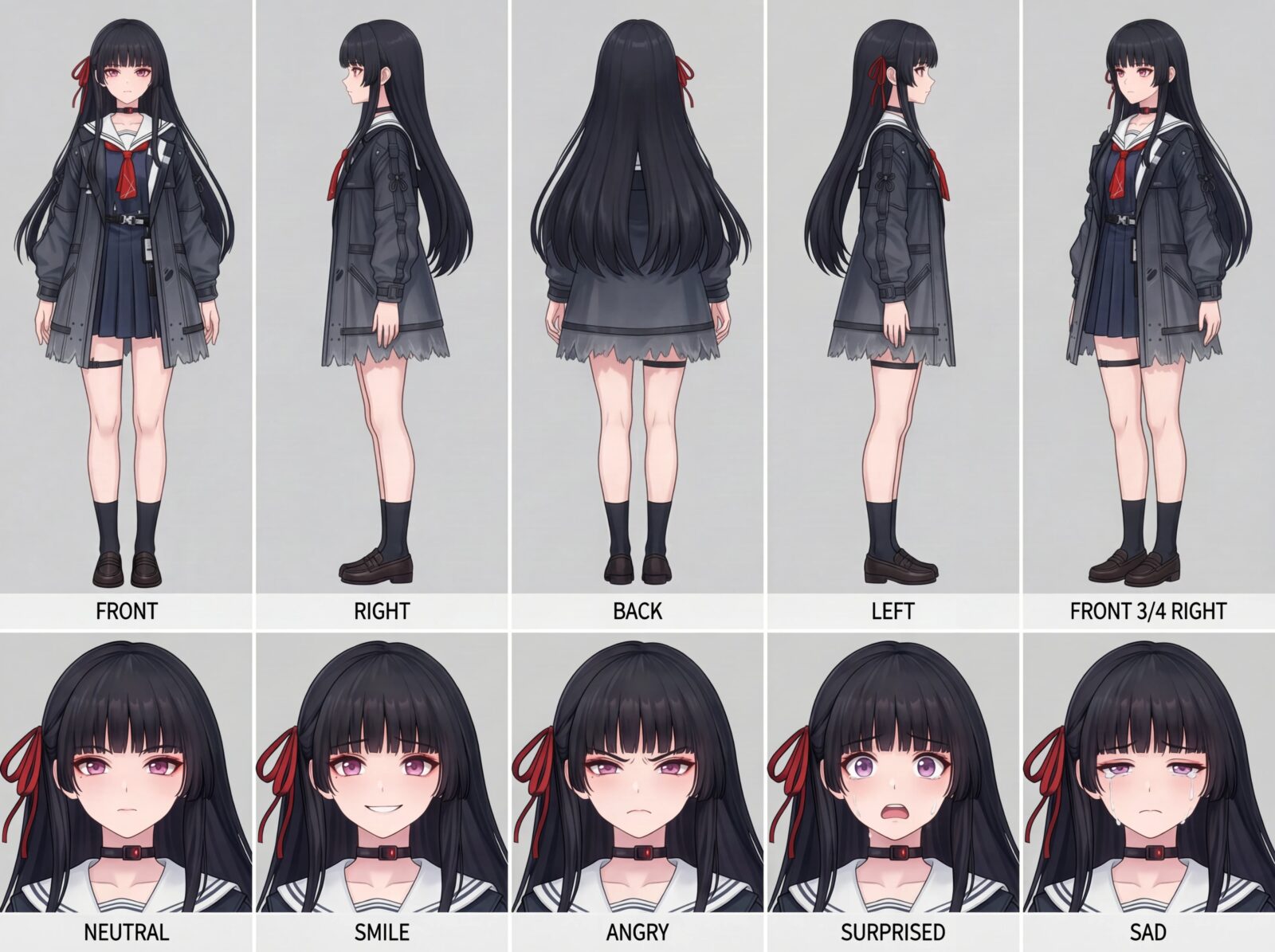
Blogger Yakamochi compares the editing to a local GPT Image. From a single reference, the model builds a character sheet with five angles and five expressions. Such sheets are handy for expanding a LoRA training dataset. Mankyu also praises how the model changes clothes and hairstyles without losing the character. However, he notes that an illustration loses its original style when the angle or pose changes.
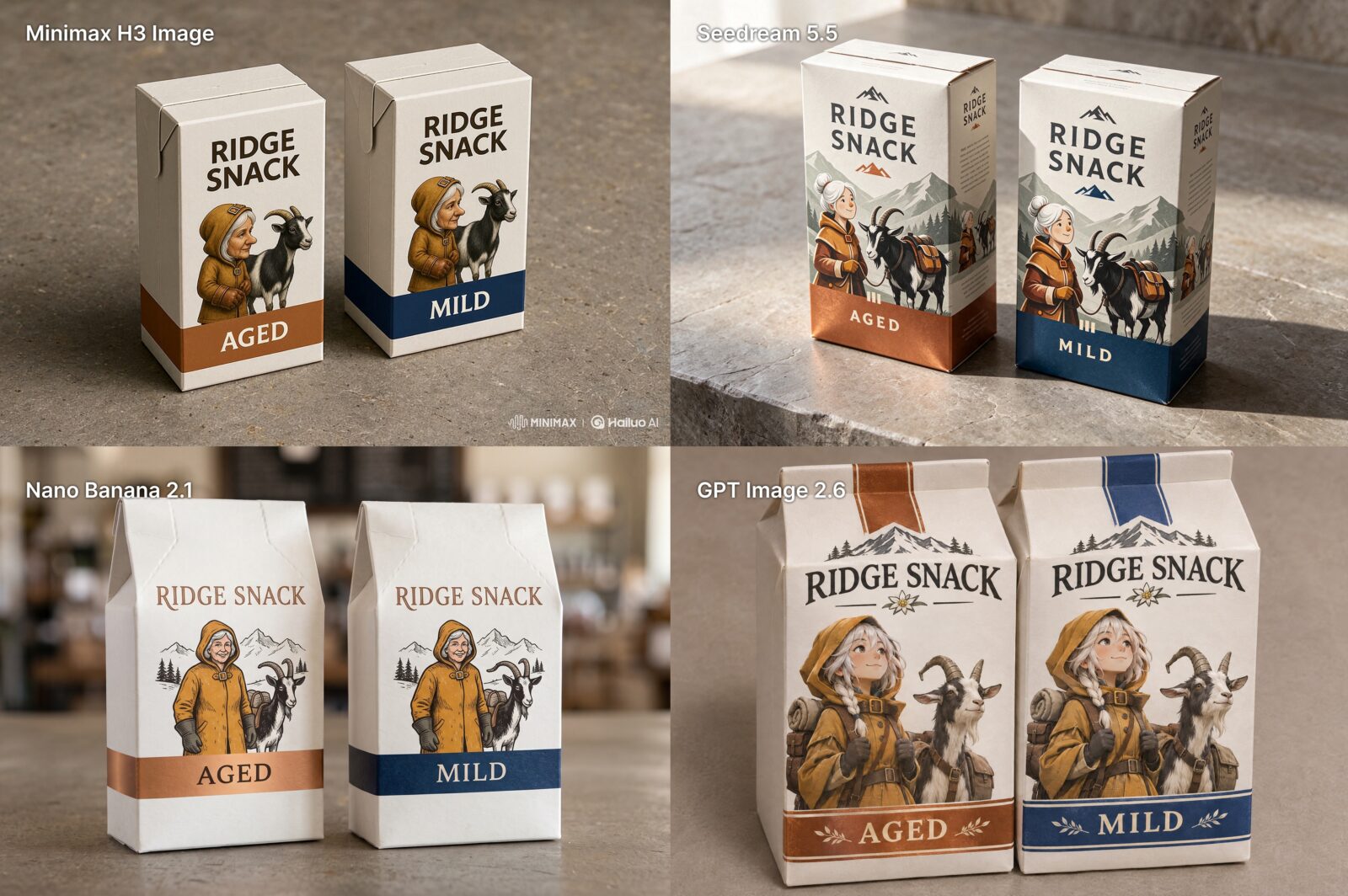
Alex Patrascu compared four models on a complex product mockup prompt. H3-Image got the camera angle, the band colors and the package text right. However, it lost the mascot’s gloves, the goat’s pack and the bent horn. In the end, he named Seedream 5.5 the winner.
Pixel Dojo ran a test with 8 prompts. There, H3-Image produced more natural-looking portraits than GPT Image 2.6 and followed camera directions more closely. On the other hand, the model is weaker with small text: a chalkboard menu came out with a typo, and the infographic captions consisted of made-up words.
MiniMax H3-Image limitations
The main problem with the release is that nothing backs up the claim of the best prompt adherence. MiniMax has published no quality metrics, and as of November 11 the model is not in the Artificial Analysis rankings. Independent checks also come down to a handful of prompts.
The MiniMax-H3-Image Community License is also far from open in the usual sense. A company with annual revenue above $1 million, or one that runs a service for third parties, needs separate written permission from MiniMax. Commercial products must display the MiniMax-H3-Image name in their interface. Moreover, you may not use the model or its outputs to improve other AI models, including through distillation and synthetic data. Finally, the license does not cover the EU, the UK, South Korea or the US, so formally no one there may use the weights.