Skip to content
    Neurohive
    • News
    • Open LLMs
    • AI agents
    • Local models
    • Image & video
    RU

    Topics

    • Open LLMsOpen-weight models compared: quality, price and how to pick one
    • AI agentsAgents for coding, research and computer use: frameworks, benchmarks, comparisons
    • Image & videoImage and video generation and editing: models and services
    • Local modelsRunning models on your own hardware: VRAM, quantization, inference
    • AI basicsHow machine learning and neural networks work: explainers with formulas and Python code
    • BenchmarksWhat benchmarks measure and how to read launch-day numbers
    • World modelsWorld models, 3D scenes and robots: demos, code, what you can run
    • Proprietary modelsGPT, Gemini, Claude and other closed-weight models: pricing, tests, reviews
    • AI researchNew AI papers and models explained: what was proposed, the numbers, where the code is

    Sections

    • AI Apps
    • Datasets

    Neurohive

    • Contact Us
    News Open LLMs AI agents Image & video Local models AI basics Benchmarks World models Proprietary models AI research
    Neurohive
    News›

    Topics

    • Open LLMs
    • AI agents
    • Image & video
    • Local models
    • AI basics
    • Benchmarks
    • World models
    • Proprietary models
    • AI research

    Sections

    AI Apps Datasets

    Neurohive

    Contact Us
    Русский
    Home → AI basics: machine learning and neural networks explained → Page 3
    Topic

    AI basics: machine learning and neural networks explained

    24 October AI basics

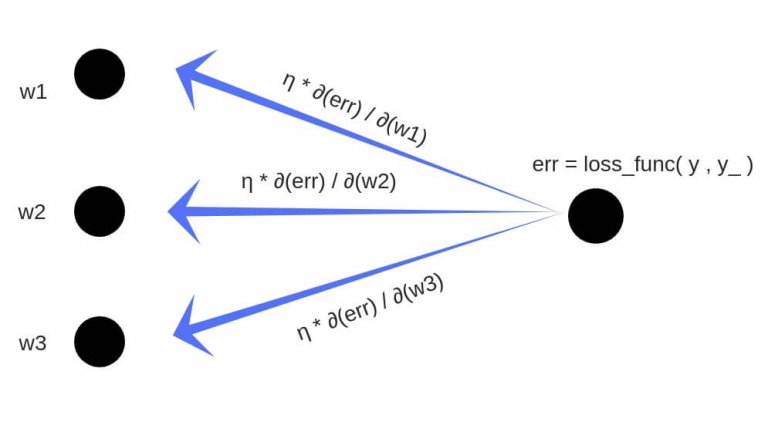
    Backpropagation Explained: Algorithm, Example and Python Code

    Backpropagation (backward propagation of errors) is the algorithm that computes how much each weight in a neural network contributed to the error, so that gradient descent can…
    25 October AI basics

    Convolutional Neural Networks (CNN): How They Work, Step by Step

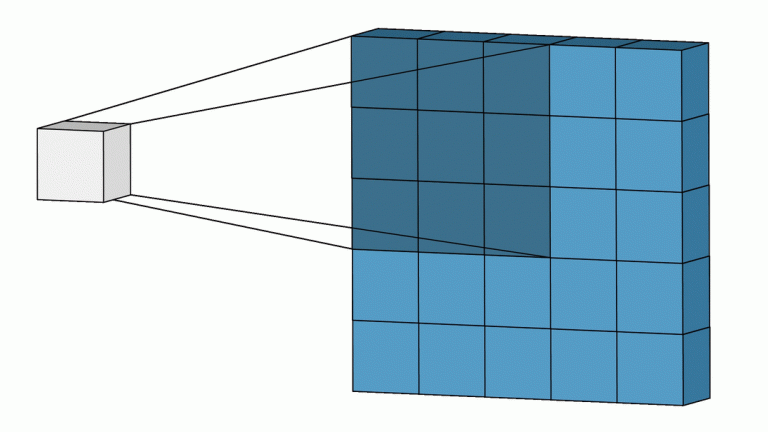
    A convolutional neural network (CNN, or ConvNet) is a type of neural network designed for data with a grid structure, above all images. Instead of connecting every input pixel to…

    5 November AI basics

    Word2vec and Word Embeddings: How Computers Learn the Meaning of Words

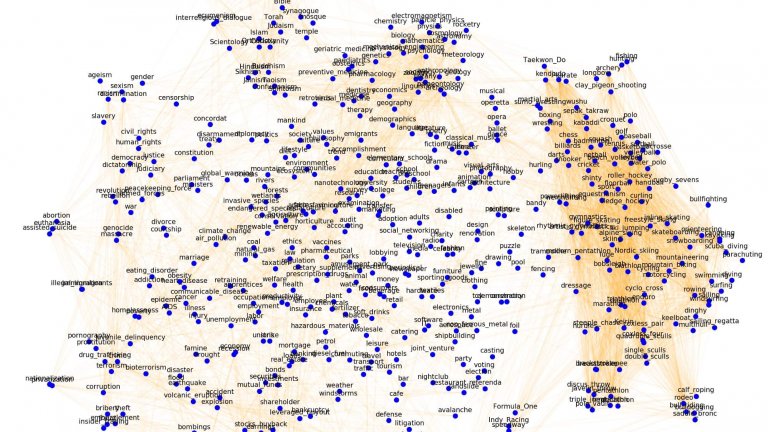
    Word2vec is a method for turning words into vectors, lists of numbers, so that words with similar meanings get similar vectors. It was published by Tomas Mikolov and colleagues…

    25 October AI basics

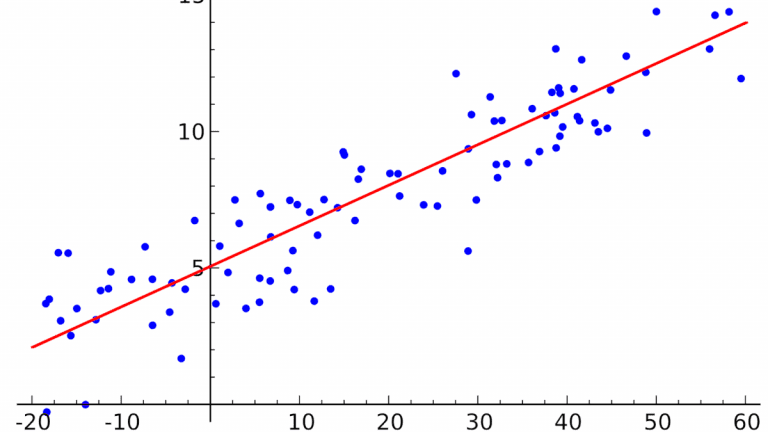
    Linear Regression in Machine Learning: How It Works, With Python Examples

    Linear regression is a machine learning model that predicts a numeric value as a weighted sum of input features plus a constant: ŷ = w₁x₁ + w₂x₂ + … + wₙxₙ + b. With one feature…

    24 October AI basics

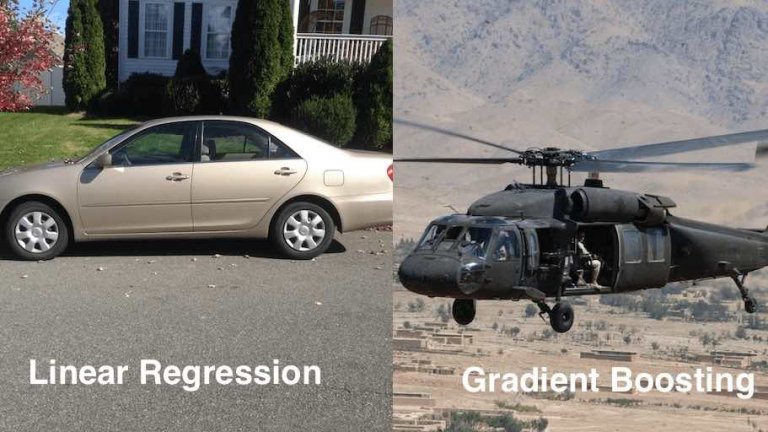
    Gradient Boosting Explained: Algorithm, Python Code, XGBoost vs LightGBM

    Gradient boosting is a machine learning technique that builds a strong model from many weak ones, usually small decision trees, by adding them one at a time. Each new tree is…

    12 November AI basics

    Semantic Segmentation: How It Works, From U-Net to Segment Anything

    Semantic segmentation is the computer vision task of assigning a class label to every pixel of an image: this pixel is road, that one is a pedestrian, those are sky. Where image…

    9 November AI basics

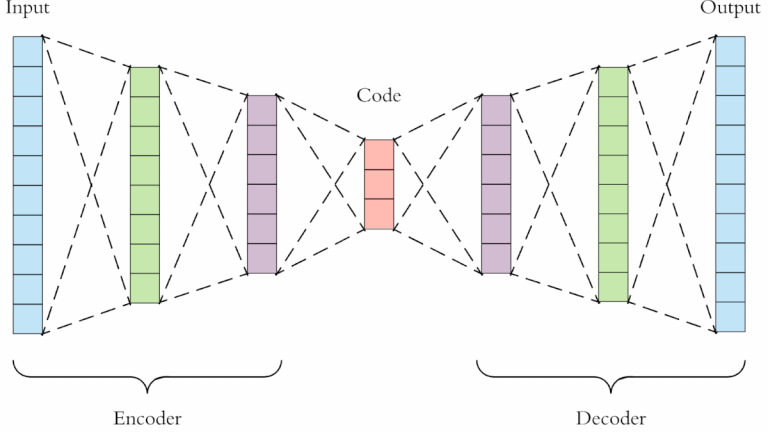
    Autoencoders: How Neural Networks Learn to Compress, Denoise and Detect Anomalies

    An autoencoder is a neural network that learns to copy its input to its output through a narrow bottleneck. Because it cannot simply pass every number through, it has to learn a…

    23 October AI basics

    Bayes’ Theorem Explained: Formula, Examples and Python Code

    Bayes’ theorem tells you how to update a probability when new evidence arrives: the probability of a hypothesis given the evidence equals the probability of the evidence…

    14 November AI basics

    Data Science Interview Questions: 60 Questions With Answers and Code

    Data science interviews test a wide mix of skills: statistics and probability, machine learning, SQL and Python, experiment design, product thinking and communication. The…

    15 November AI basics

    Machine Learning for Beginners: How Computers Learn From Data, With Python Examples

    Machine learning (ML) is a way of building software that learns from examples instead of following rules written by a programmer. You show a machine learning model thousands of…

    19 November AI basics

    Big Data in Practice: The 5 Vs, the Tools and When Your Data Gets Too Big

    Big data means data sets that are too large, too fast-growing or too varied to store and analyse with traditional tools on a single computer. Every search, card payment, app tap…

    22 November AI basics
    Guide

    Curse of Dimensionality: Why High-Dimensional Data Breaks Machine Learning

    The curse of dimensionality is the name for a group of problems that appear when data has many dimensions, that is, many features or variables. As the number of dimensions grows…

    ← Newer123
    Neurohive

    Neurohive — AI news. Open models, guides, reviews and comparisons.

    Topics

    • Open LLMs
    • AI agents
    • Image & video
    • Local models
    • AI basics
    • Benchmarks
    • World models
    • Proprietary models
    • AI research

    Sections

    • News
    • AI Apps
    • Datasets

    Neurohive

    • Contact Us
    • Русская версия
    • RSS
    © 2018–2026 Neurohive Neural network news and research